 FishTank
Bristlenose pleco care for beginners
The bristlenose pleco is the best pleco for a home aquarium. It stays about 5 inches long, eats algae off the glass and wood, and is very hardy. It isn't a cleaning robot, though: it needs its own food and a piece of wood. Here's how to keep one.
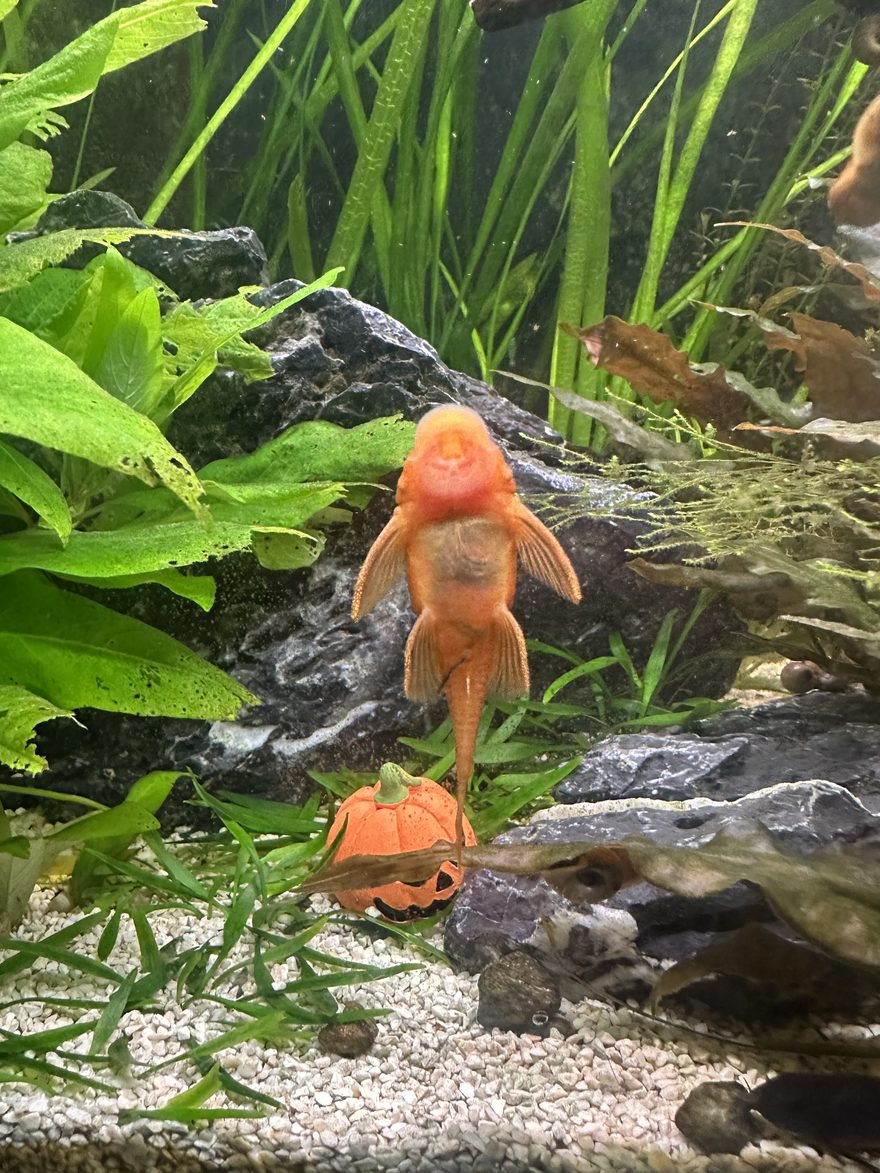
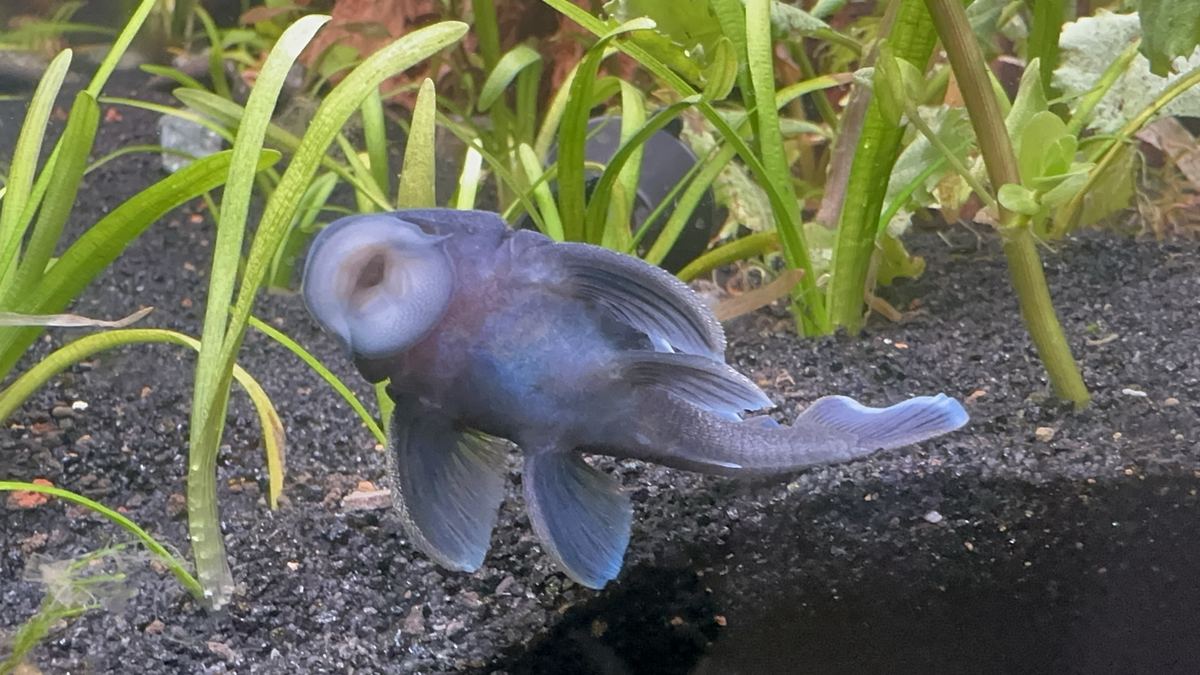
The pleco in my 29 gallon is an L239 blue panaque, a less common kind with its own needs. For an easy first pleco, the bristlenose below is the simplest choice.
Bristlenose pleco facts
- Size: 4 to 5 inches
- Tank: 20 gallons or more
- Temperature: 72–80°F
- Water: very adaptable, with a pH of about 6.5 to 7.8
- Group: one per tank. Two males fight over caves unless the tank is big.
- Lifespan: 10 years or more
Bristlenose or common pleco?
The plecos sold as "common plecos" are cute at 3 inches but grow to 12 to 18 inches and need a tank of 125 gallons or more. A bristlenose stays small for life. If the store doesn't know which it is, look for the bushy bristles on the nose (males have many, females a few around the edge) or ask for a bristlenose by name.
What a bristlenose needs
- Driftwood. Bristlenose plecos rasp on wood, and it helps their digestion. See aquarium driftwood.
- A cave or hiding spot to rest in during the day. They're most active at night.
- A filter with good flow and oxygen. Plecos are messy. See the best aquarium filters.
- An established tank. Add a pleco after the tank is cycled and some algae has grown.
Feeding: algae isn't enough
A bristlenose eats algae, but most tanks don't grow nearly enough to feed one. Give it:
- Algae or sinking wafers every day or two, dropped in after the lights go off.
- Vegetables a couple of times a week: blanched zucchini, cucumber or shelled peas, weighed down with a fork or veggie clip. Take leftovers out after 24 hours.
- An occasional protein treat, like frozen bloodworms.
A healthy bristlenose has a gently rounded belly. A sunken belly means it isn't getting enough food. See the best fish food for beginners.
Tankmates
- Good: almost any peaceful community fish, including tetras, rasboras, corydoras, platies, mollies, gouramis and angelfish.
- Careful with: goldfish. Plecos sometimes rasp the slime coat off slow goldfish, and goldfish like cooler water.
- Avoid: another male bristlenose in a small tank.
1. Bristlenose community
1 bristlenose pleco · 8 ember tetras
Keep at 73–80°F · 57% stocked in the calculator
Open this plan in the calculator
One bristlenose is plenty for a 20 gallon. It cleans the glass and wood while the embers school.
2. Bristlenose and corydoras
1 bristlenose pleco · 6 pygmy corydoras · 8 neon tetras
Keep at 72–79°F · 71% stocked in the calculator
Open this plan in the calculator
The bristlenose sticks to wood and glass, the corydoras sift the sand. Feed both sinking food.
3. Livebearer tank with a pleco
1 bristlenose pleco · 5 platies · 3 swordtails
Keep at 72–79°F · 84% stocked in the calculator
Open this plan in the calculator
Hardy and busy. All three like harder water, around 7 to 8 pH.
Babies
See how to breed bristlenose plecos for the full guide. A male and female together often breed. The male guards the eggs in a cave until the babies hatch. The babies are easy to raise on the same wafers and vegetables, but they add up quickly, so keep one fish, or two of the same sex, unless you have a plan for them.
Bristlenose pleco picks
Paid links: if you buy through these Amazon links, I earn a small commission at no extra cost to you.
Want to breed bristlenose plecos? The Fish Breeding Planner ($9) has a step-by-step page for them, a fry food guide and printable spawn and fry logs. How to breed bristlenose plecos is free here too.

Related: Aquarium driftwood · Corydoras care · Algae types and fixes · Freshwater fish care sheets · L239 blue panaque care · How to breed bristlenose plecos